
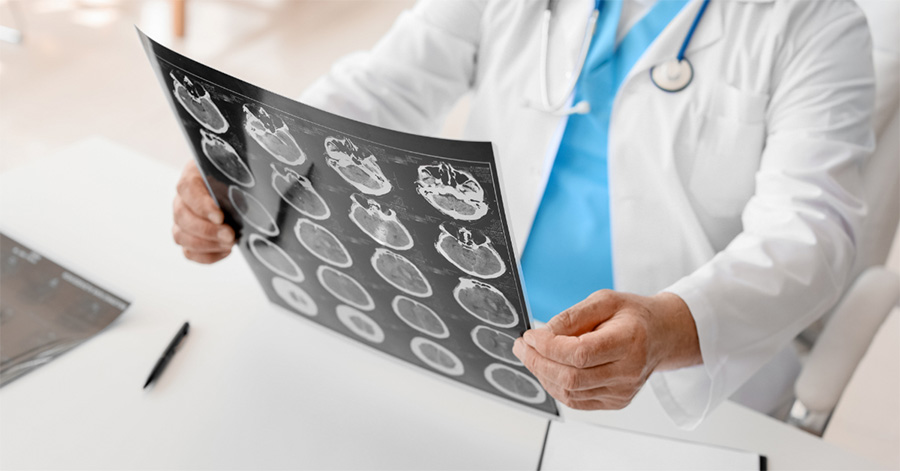
Throughout human experience, many individuals have faced the weight of their own thoughts. As anxiety mounts, daily functioning can become challenging, with definitive answers as to why they are the way they are seeming just out of reach.
Traditional diagnostic methods often struggle to fully comprehend the breadth of mental health issues, presenting obstacles to accurate diagnosis and treatment. Yet, emerging imaging technologies hold promise in providing deeper insights into brain function, offering the potential for more precise and personalized mental health care.
This advancement in radiologic technology opens avenues for improved understanding and treatment of various mental health conditions. Thanks to this technology, capturing mental health with imaging has become possible.
Advanced Brain Imaging Technologies
Advanced brain imaging technologies, such as fMRI and PET, provide new insights into brain function. These modalities not only capture brain structure but also visualize real-time brain activity. By mapping brain regions precisely, these technologies reveal detailed neural network patterns. Clinicians can now pinpoint biomarkers associated with mental health disorders for targeted treatment. This approach leads to more effective and personalized therapeutic interventions.
fMRI in Mental Health
Functional Magnetic Resonance Imaging (fMRI) is a crucial tool for understanding mental health, as it measures brain activity by detecting changes in blood flow, providing detailed insights. In clinical settings, fMRI creates a “functional map” of the brain, helping to identify abnormal neural patterns linked to mental disorders and improving diagnostic accuracy.
Beyond diagnosis, fMRI also aids in treatment planning and monitoring by visualizing affected brain areas, allowing for more tailored therapies. This bridges the gap between generalized treatment approaches and personalized mental health care, ultimately enhancing therapeutic effectiveness and patient outcomes.
PET Scans for Diagnosis
Positron Emission Tomography or PET scans are transforming mental health diagnosis by showing a real-time view of brain metabolism. By using radioactive tracers, PET scans reveal detailed information about brain function.
This helps to identify biochemical changes related to psychiatric disorders, leading to a better understanding of mental health conditions.
Integrating PET scans into diagnostic processes can improve accuracy and guide targeted treatments for mental health disorders. Ultimately, this technology has the potential to enhance patient outcomes and provide a more personalized approach to mental health care.
Benefits of Imaging in Mental Health
Advancements in imaging technology have transformed mental health diagnosis and treatment by providing valuable insights into the complexities of the human brain. Functional Magnetic Resonance Imaging (fMRI), for instance, enables clinicians to observe brain activity and identify abnormalities crucial for diagnosing conditions such as depression and anxiety. The real-time images obtained through this technology also aid in early detection, potentially preventing the advancement of mental health disorders.
Early Detection Capabilities
These methodologies aid in diagnosing mental health conditions before they fully manifest:
Functional Magnetic Resonance Imaging (fMRI) helps identify atypical brain activity patterns.
Positron Emission Tomography (PET) scans reveal biochemical changes linked to mental disorders.
Magnetic Resonance Spectroscopy (MRS) measures metabolic anomalies in the brain.
Diffusion Tensor Imaging (DTI) traces the brain’s white matter pathways to detect disruptions.
Early detection facilitates timely intervention, improving patient outcomes and quality of life.
Personalized Treatment Plans
Personalized treatment planning in mental health care is becoming increasingly feasible through advanced imaging technologies.
These technologies allow clinicians to tailor interventions based on individual brain activity patterns.
By utilizing imaging techniques, it is possible to develop customized therapeutic regimens that address specific biochemical and neurological imbalances unique to each patient.
Challenges and Limitations
Despite advancements in imaging technology, it still faces challenges and limitations in mental health diagnostics. High-resolution techniques like fMRI are costly and resource-intensive, making them less accessible to many healthcare providers. Additionally, categorizing brains as “neurotypical” or “neurodivergent” can complicate the establishment of ‘normal’ baselines.
Accessibility and Cost
Accessibility and cost remain significant barriers. Their high costs and the need for specialized equipment limit their availability to only well-funded institutions and research centers. This restricts access for patients who could benefit from more accurate diagnostics and personalized treatments.
Patients often face steep out-of-pocket expenses – a factor that can discourage many from seeking imaging-based diagnostics or treatment plans. Moreover, healthcare systems in underserved regions may lack the infrastructure to support such advanced imaging technologies.
Efforts are being made to make advanced imaging tools more accessible through subsidies and investments in telehealth solutions. However, there are still significant disparities in their utilization. Moving forward, the goal is to ensure that all patients, regardless of socioeconomic status, can benefit from imaging technology in mental health care.
Ethical Considerations
The use of imaging technology in mental health care introduces several ethical challenges that must be addressed.
Privacy Concerns: Safeguarding patient data captured through imaging.
Informed Consent: Ensuring patients understand the implications of imaging results.
Accessibility: Making advanced imaging available to underserved populations.
Bias and Fairness: Preventing misuse or misinterpretation of imaging data.
Psychological Impact: The effect of diagnosis based on imaging on patients’ mental health.
Learn More About Medical Imaging With Angeles Nursing!
At Angeles Nursing, you’ll explore neuroimaging modalities like MRI – which is integral to understanding complex mental health disorders. Our seasoned instructors and hands-on educational opportunities ensure you not only learn the theoretical aspects but also gain practical, real-world experience. Whether you’re advancing your current career or embarking on a new one, Angeles Nursing provides the skills and knowledge needed for medical imaging.
Explore our imaging programs now!